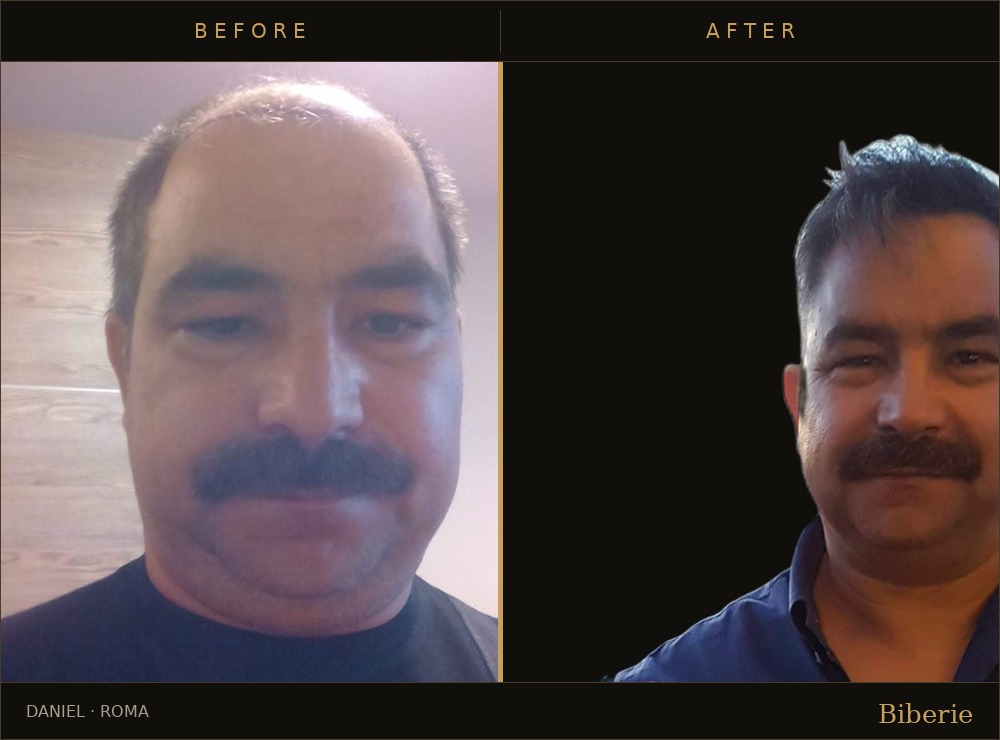
"Facelift" is often used as a single term, but it covers several distinct surgical approaches, each addressing different depths of facial aging. Knowing the difference helps set realistic expectations before a consultation.
SMAS facelift
The most established approach. The SMAS (Superficial Musculoaponeurotic System) — the layer of tissue beneath the skin — is lifted and repositioned, not just the skin itself. This addresses sagging at a structural level, producing a more durable, natural result than a skin-only lift.
Deep plane facelift
A more advanced technique that releases and repositions deeper facial ligaments as a single unit, moving fat pads and muscle together rather than separately. It tends to produce a more natural repositioning of the midface, with less risk of the "pulled" appearance associated with older techniques.
Mini facelift
A more limited procedure, typically addressing the lower face and jawline through shorter incisions. Recovery is faster and correction is more modest — a reasonable option for earlier signs of aging, not for significant sagging.
Neck lift, often performed alongside
Many patients requesting a "facelift" are equally concerned with the neck. A neck lift addresses banding and loose skin under the chin and is frequently combined with a facelift for a more complete result.
How the right approach is chosen
The right technique depends on the degree of laxity, skin quality, and the specific areas of concern — assessed during an in-person or video consultation, not determined in advance. A deep plane approach on a patient who only needs a mini lift would be excessive; the reverse would under-deliver.