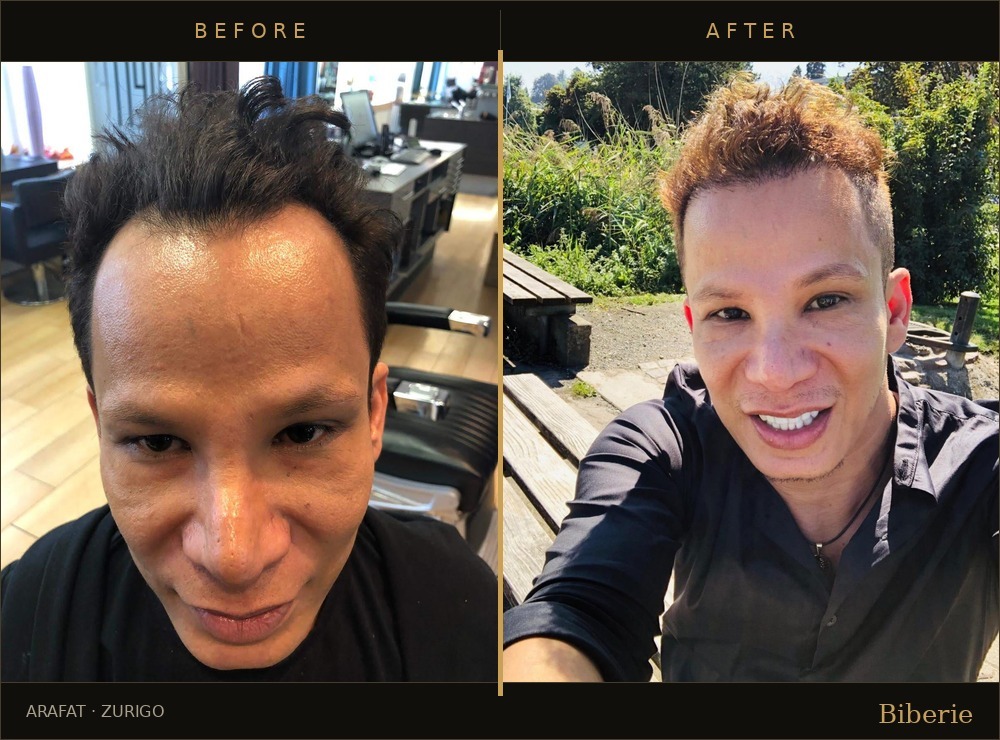
Hair transplant results build slowly, and knowing the general timeline in advance prevents the two most common worries: the shedding phase, and the "is this working" plateau around month three or four.
Month 1: The shedding phase
Most transplanted hairs shed within the first two to six weeks. This is expected — the follicle remains in place beneath the skin, and this shedding is a normal part of the hair's growth cycle resetting, not a sign of graft failure.
Months 2–3: The quiet period
Little visible change happens during this stretch, which is often the hardest part psychologically. The follicles are entering a resting phase before new growth begins — patience is genuinely the main requirement here.
Months 4–6: New growth appears
Fine, new hairs typically begin emerging around month four, gradually thickening over the following weeks. Density is still noticeably lower than the eventual result at this stage.
Months 7–9: Visible density
This is usually when patients and the people around them start noticing a real difference. Hair continues to thicken and mature in texture during this window.
Months 10–12: Final results
By around twelve months, results are generally considered final — full density, natural texture, and a hairline that has settled into its permanent shape. Some patients see continued subtle improvement up to eighteen months.
A realistic expectation
No two patients follow this timeline identically — donor area quality, technique, and individual healing all play a role. What's consistent is the shape of the curve: slow start, quiet middle, and a steady build toward the final result.